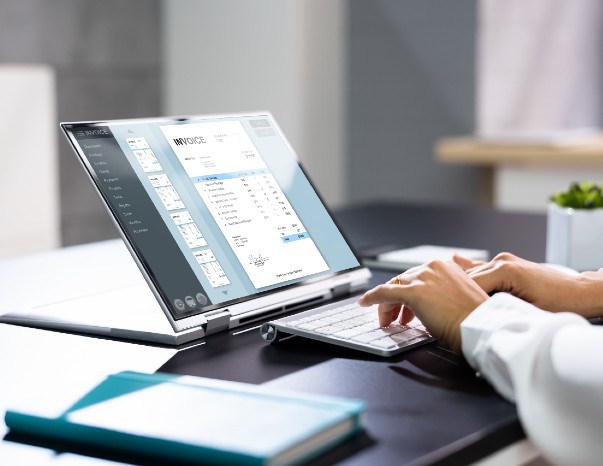
HM Revenue & Customs (HMRC) recently released a research paper on how small and medium-sized businesses (SMEs) view electronic invoicing, also called e-invoicing.
In the Autumn Budget 2025, plans were announced to make e-invoicing mandatory for VAT invoices from 2029. The research paper was designed to help deliver an e-invoicing policy that will suit the competitive needs of SME businesses.
An e-invoice is an invoice that is sent and received in a structured digital format and is suitable for automatic electronic processing. E-invoicing systems can integrate with accounting systems, which can make it easier to manage a business’s bookkeeping.
The government believes that e-invoicing will assist businesses in submitting more accurate tax returns.
The research indicates that 59% of businesses are familiar with e-invoicing. However, only 29% of businesses appear to be currently using it, and only 10% of SMEs report both sending and receiving e-invoices.
The most common method used by SMEs for both sending and receiving invoices was reported to be PDF or email. Many businesses are also still using paper and physical mail for invoicing.
As the change to e-invoicing is not becoming mandatory until 2029, there is still plenty of time to prepare but it’s worth considering how this can be incorporated into your business.
Keep Informed
Sign up here to receive our regular blogs with news, advice and updates on a wide range of issues affecting businesses and individuals.
The information provided in this blog is for general informational purposes only and should not be considered professional advice. As far as we are aware, the content is accurate at time of publication. Torgersens assumes no responsibility for errors or omissions in the content or for any actions taken based on the information provided.
.jpg)