
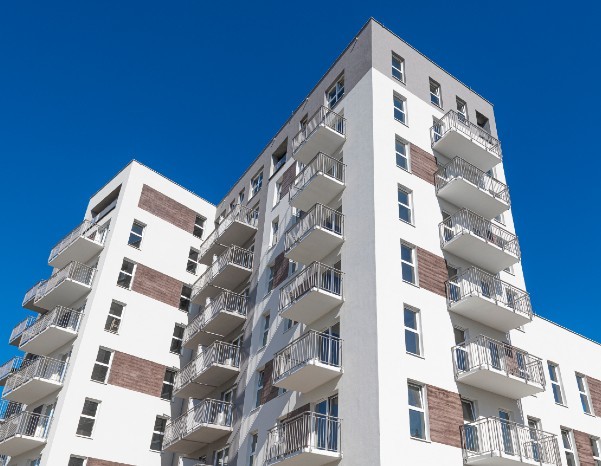
The government has announced a significant set of reforms to the leasehold system in England and Wales. These changes include ground rent being capped at £250. Also, new leasehold flats will be banned and there will be a move towards commonhold ownership.
If you own a leasehold property, these proposals could have a meaningful impact over the next few years.
Proposed ground rent cap
The headline measure is a cap on ground rent for existing leases. Under the plans, ground rent will be limited to £250 a year before dropping to a peppercorn after 40 years.
The cap aims to address long‑standing concerns about leaseholders paying rising ground rent for no clear service in return. The government has estimated that many people will see savings of more than £4,000 over the period of their lease, though the exact benefit will depend on the wording of the individual lease document.
For some, the issue has been more immediate. Higher ground rents or uncertain terms can deter potential buyers or make securing a mortgage more difficult. The proposed cap could help to make a property more saleable.
The move forms part of the draft Commonhold and Leasehold Reform Bill, which was published recently. Depending on the Bill’s progress through Parliament, the ground rent cap could come into force in late 2028.
Other key changes announced
Alongside the ground rent cap, the government has set out a broader package of reforms intended to give leaseholders more control and reduce the risk of unfair practices.
The measures include a ban on new leasehold flats so that, with limited exceptions, new flats for homeownership will have to be sold as commonhold.
Forfeiture, which is the rule that allows a freeholder to take back a property if a leaseholder breaches the terms of the lease, will be abolished. Instead, a new lease enforcement scheme will be implemented.
The intention is that commonhold becomes the default model for new builds. Leaseholders in existing buildings will be able to switch to commonhold, provided most residents agree.
Commonhold and how it works
Under commonhold, each homeowner owns their flat outright and holds a share in the management of the wider building. Decisions such as annual budgets, maintenance and long‑term planning are made collectively.
The government says the updated framework will include clear rules on repairs, leadership and owners’ rights, with the aim of making it suitable for a broader range of buildings.
Next steps
A consultation on moving to commonhold is running until 24 April 2026. Once the government publishes their response to this consultation, it will become clearer how the transition to commonhold will be managed. Leaseholders will no doubt be keenly awaiting future developments.
For further information about leasehold properties, see the GOV.UK website page here: https://www.gov.uk/leasehold-property
Keep Informed
Sign up here to receive our regular blogs with news, advice and updates on a wide range of issues affecting businesses and individuals.
The information provided in this blog is for general informational purposes only and should not be considered professional advice. As far as we are aware, the content is accurate at time of publication. Torgersens assumes no responsibility for errors or omissions in the content or for any actions taken based on the information provided.


.jpg)
.jpg)