
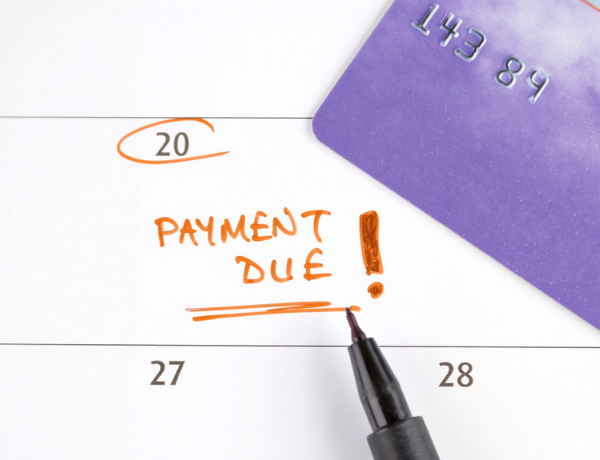
For Small to Medium-Sized Enterprises (SMEs), the issue of late payments can mean the difference between survival or liquidation. The Department for Business & Trade estimates it costs the economy £11 billion annually, forcing 38 businesses to close their doors every day.
The government is taking steps to change this, with the Commercial Payments Bill having its first reading in the House of Lords in May 2026. It proposes a 60-day hard cap on business-to-business payment terms, new powers for the Small Business Commissioner to fine persistent late payers and a requirement for the boards of large businesses with poor payment records to publish an explanation of how they intend to improve.
But companies need to ensure they have robust procedures for collecting money owed on invoices, as cash flow is the blood of the business. There are steps to take.
For SMEs, the advice is remarkably consistent: make it easy to pay, make expectations clear and follow up systematically.
1. Agree payment terms before starting work
Set out payment terms in writing before work begins. This should include due dates, payment methods and what happens if invoices become overdue. Clear, documented terms reduce disputes and payment delays.
2. Invoice promptly
Invoice as soon as goods or services are delivered rather than waiting until month-end. The quicker the invoice is issued, the sooner the payment clock starts.
3. Make invoices accurate and easy to understand
Ensure that invoices clearly contain all required information, including purchase order numbers, contact details, payment instructions, due dates and a clear description of the work carried out.
4. Offer convenient payment options
Offer customers multiple ways to pay, such as bank transfer, card payment, online payment links or direct debit.
5. Check customer creditworthiness
Before taking on a new customer, conduct credit checks and basic due diligence. This includes previous bankruptcies or a string of liquidated companies. This helps avoid future bad debts.
6. Ask for deposits or staged payments
For larger projects, and certainly those that might strain the company’s resources, request a deposit upfront and agree on milestone payments. This reduces financial exposure.
7. Automate reminders and follow-up
Use accounting software to send automatic reminders before and after payment due dates. Many late payments are simply the result of oversight rather than unwillingness to pay. This involves a structured credit control process:
- Reminder before due date.
- Reminder on due date.
- Follow-up email or call after the due date.
- Escalation procedures for persistent non-payers.
9. Build strong customer relationships
Maintaining regular communication with your customers can help resolve invoice queries quickly.
10. Use your legal rights when necessary
Companies must be prepared to exercise legal muscle when required. Businesses may be entitled to charge statutory interest and claim debt recovery costs on overdue invoices, subject to relevant rules and contractual terms. Just making customers aware of these rights can encourage payment.
A summary of best practice
Many successful SMEs follow this sequence:
- Credit check new customers.
- Agree terms in writing.
- Take a deposit where appropriate.
- Invoice immediately.
- Include a payment link.
- Send automated reminders three to five days before the due date.
- Phone the customer within a few days of any missed payment.
- Escalate quickly if payment remains outstanding.
A disciplined invoicing strategy will not eliminate every late payment, but it can significantly reduce delays, protect cash flow and give your business greater financial certainty.
Keep Informed
Sign up here to receive our regular blogs with news, advice and updates on a wide range of issues affecting businesses and individuals.
The information provided in this blog is for general informational purposes only and should not be considered professional advice. As far as we are aware, the content is accurate at time of publication. Torgersens assumes no responsibility for errors or omissions in the content or for any actions taken based on the information provided.